
How trees, soil and green cities store carbon
How trees, soil and green cities store carbon

World leaders discover India’s living heritage at Humayun’s Tomb during AI Impact Summit
Learn moreQutb Shahi Heritage Park restored to former glory
Learn moreA lost garden emerges: Sunder Nursery, Delhi, India
Aligned with the large entrance plaza of Humayun’s tomb, Sunder Nursery features a spectacular pedestrian Central Axis conceived in three parts, as a progression of formally arranged gardens around the heritage structures and merging at its end with the proposed arboretum and water gardens.
AKTC
Learn moreA lost garden emerges: Sunder Nursery, Delhi, India
Aligned with the large entrance plaza of Humayun’s tomb, Sunder Nursery features a spectacular pedestrian …
AKTC
Learn moreParks & Gardens
The Aga Khan Trust for Culture (AKTC) is proving that green spaces can catalyse positive economic, social and cultural change through social development, local employment, entrepreneurial activity and cultural development.

5 million
AKDN’s major parks and gardens receive about five million visitors each year.

13
AKDN has created and rehabilitated 13 parks and gardens.
5 million
AKDN’s major parks and gardens receive about five million visitors each year.

Ensuring long-term preservation: Qutb Shahi Heritage Park, Hyderabad, India
The park is intended to promote tourism, lead a revival of building crafts in the region and generate economic opportunities for local businesses.
13
AKDN has created and rehabilitated 13 parks and gardens.
Gardens of Paradise: past and present
Jurjen van der Tas describes Islamic gardens' history and adaptation, and AKTC's creation and restoration of paradise gardens across the Islamic world.
The Aga Khan Trust for Culture (AKTC) has created or rehabilitated 13 parks and gardens across cities including Cairo, Bamako, Kabul and Delhi, drawing more than 3.9 million visitors a year. They serve as a "green lung" in cities where rapid growth, migration from the countryside and weak planning have squeezed out public green space.
Cairo, home to more than 22 million people, has less than one square metre of green space per inhabitant, against the nine square metres per person widely used as a minimum benchmark in urban planning. Facing competing financial demands, municipalities have often treated green space as unproductive, or as a liability, and let it shrink.
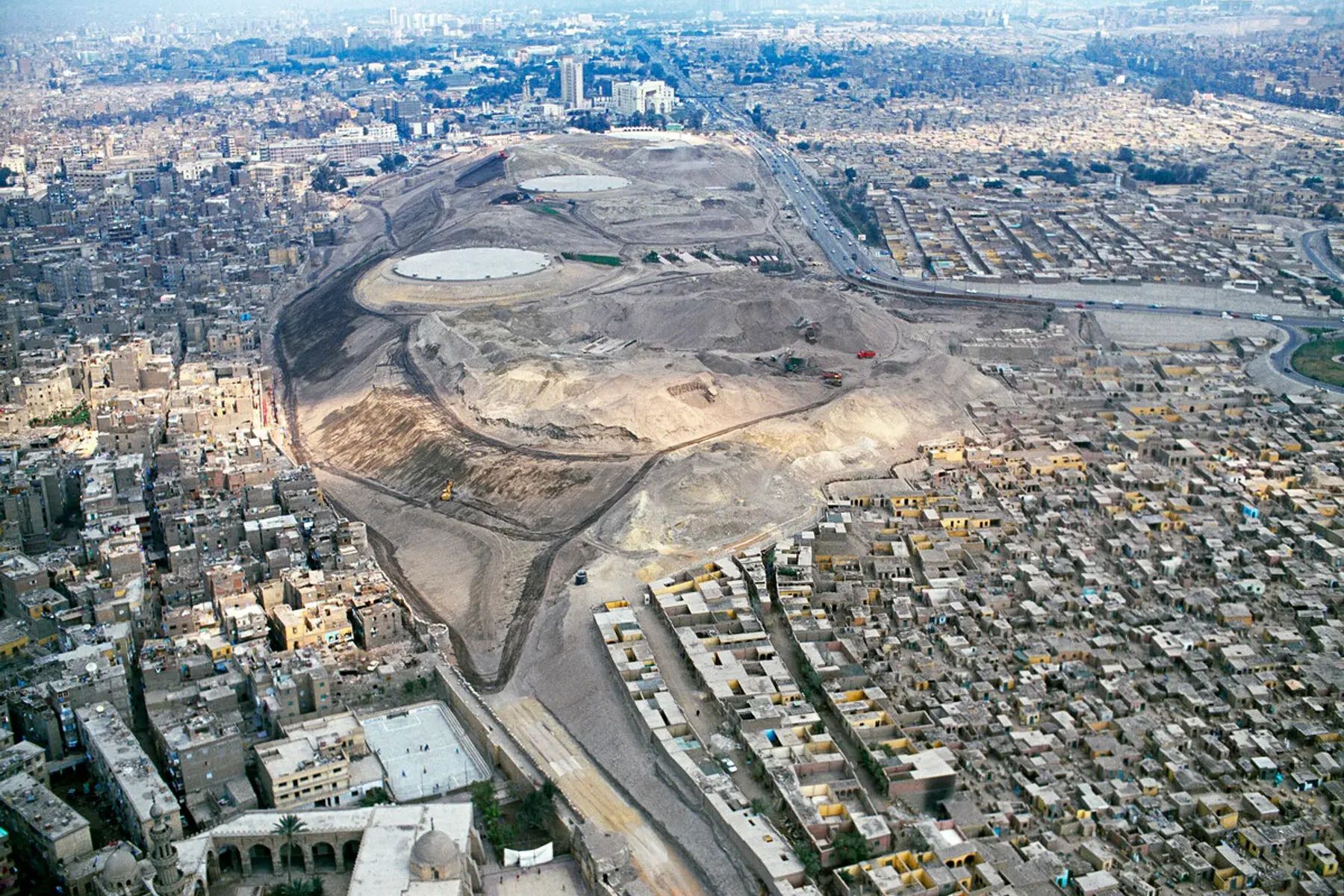
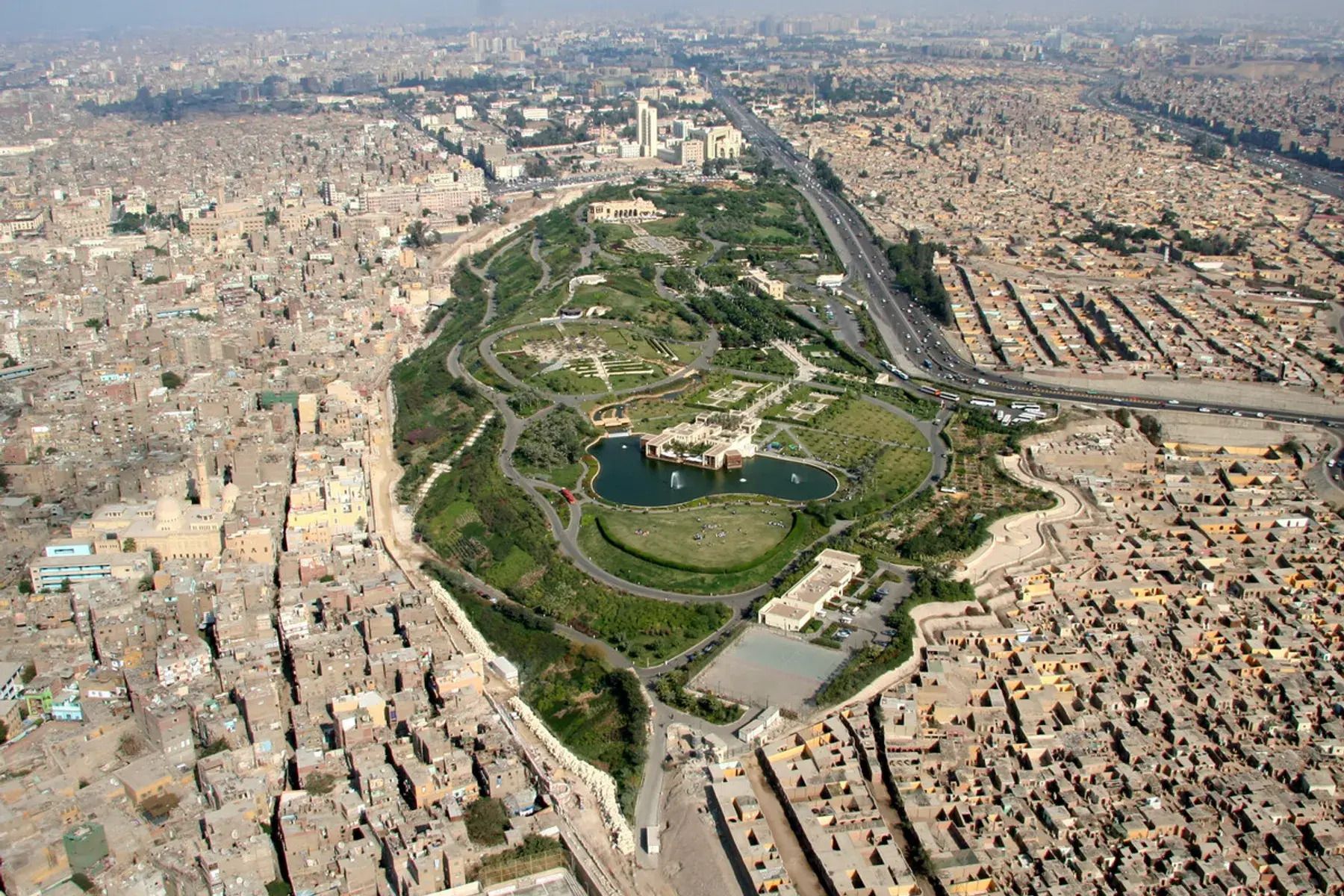
The 30-hectare Al-Azhar Park in Cairo, opened in 2005, was built on a site used as a rubbish dump for centuries. It holds an amphitheatre, playing fields and a restored historic wall promenade, and the Project for Public Spaces named it one of the world's 60 great public places in 2008. In Kabul, the restoration of Babur's Gardens won Time magazine's "Best of Asia" award for revitalisation in 2006.
The restoration of Babur's Gardens in Kabul, Afghanistan, received Time Magazine’s “Best of Asia” Award for Revitalisation in 2006. The citation referenced the restoration of the Emperor’s vision, the replanting of trees and the throngs of picnickers who came to hear the classical concerts.
Smaller spaces, surrounding or even within buildings, also have the power to connect visitors to other cultures, and to provide a respite from everyday life. The six gardens, courtyards and terraces of the Aga Khan Centre in London, UK are inspired by Islamic landscape design from Spain, North Africa and the Middle East to Central and South Asia. The Aga Khan Garden Alberta, in Parkland County outside Edmonton, Canada is a modern interpretation of historic Islamic landscape architecture, designed for the local climate and topography.
Loading...